
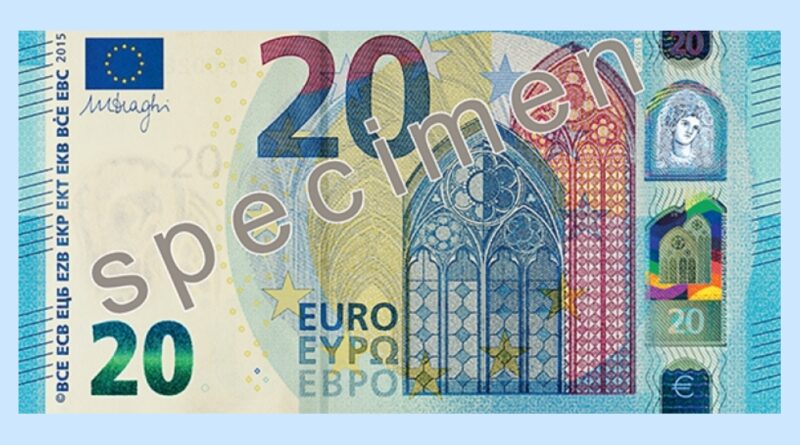
Bulgaria and the euro: A practical guide to the transition
As Bulgaria heads for using the euro as its currency as of January 1 2026, this is The Sofia Globe’s guide to practical aspects of the transition, all drawn from official sources.
Special public holidays
Bulgaria’s Cabinet agreed on November 19 that December 31 2025 and January 2 2026 will be public holidays, as a one-off event, necessary in connection with the need for technological changes that must be made related to the introduction of the euro.
The first working day of 2026 will be Monday January 5.
Interruptions to online and mobile banking
Bulgaria’s major banks have issued advisories that the period up to and around January 1 2026 transition to the euro as the country’s currency will see some interruptions to online and mobile banking services.
Banks already have been sending messages to their customers about the period in which their electronic payment services will be unavailable. These may last varied amounts of time during that period.
Temporary system outages December 31 – January 1
As The Sofia Globe previously reported, between 9pm on December 31 and 1am on January 1, a technical reset of systems (cards, POS terminals, ATMs) will take place with temporary system outages, the Association of Banks in Bulgaria said in a media statement about the country’s transition to the euro.
Regarding online and mobile banking, banks have advised: “Plan your online banking operations in advance, make important transfers and payments before the times and dates specified by your bank”.
Bank accounts
The conversion of bank accounts from leva to euro will be carried out on the day of the introduction of the euro. All funds in leva in current, deposit, savings and other accounts in local banks will be converted into euro free of charge on that day.
The Association of Banks in Bulgaria has a detailed Q and A in English about various aspects, including bank accounts, loans, interest rates and other matters.
Changing money
With the transition to the euro, foreign exchange bureaux in Bulgaria must come into line with how currencies are displayed on boards.
Until now, practice has been to display a foreign currency on the left and its leva equivalent on the right. European Central Bank rules say that display boards must show euro on the left and how many currency units you get for it on the right. This is intend to benefit consumers through uniform practice throughout the euro zone and make it easier to compare exchange rates at forex bureaux.
As of the day of the introduction of the euro, Bulgarian National Bank (BNB) will exchange free of charge, in unlimited quantity and for an unlimited period of time, leva banknotes and coins for euro at the official lev-euro exchange rate. This service is available at the BNB head office in Sofia as well as at territorial offices of the Cash Service Company AD in Sofia, Plovdiv, Bourgas, Varna and Pleven.
On January 1 2026, BNB will publish on its website for the first time the exchange rates of foreign currencies against the euro and of the euro against foreign currencies.
During the first six months as of the date of the introduction of the euro, banks will exchange Bulgarian banknotes and coins into euro at the official – fixed – exchange rate and free of charge. In the same period Bulgarian Posts EAD will exchange banknotes and coins from leva into euro free of charge only in settlements where there are no offices or branches of a credit institution.
After the first six months from the introduction of the euro, commercial banks and Bulgarian Posts will be entitled to charge a fee for this service.
After the first 12 months from the introduction of the euro, credit institutions and Bulgarian Posts may decide to stop providing this service.
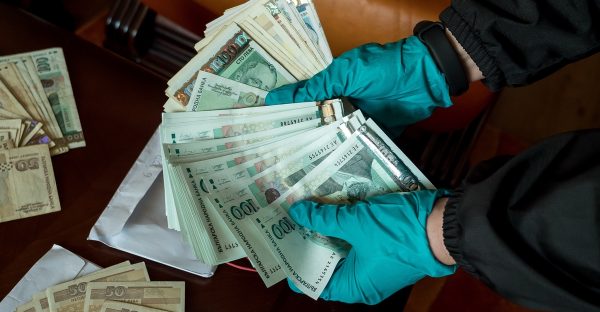
Photo: Bulgaria’s Interior Ministry
Limits on exchanging money?
BNB has no limits on the amount of money exchanged.
Likewise, there will be no limit on the amount exchanged in credit institutions for the first six months, with the standard three working day advance request required for amounts more than 30 000 leva per transaction.
During the first six months as of the euro introduction date, Bulgarian Posts will exchange banknotes and coins from leva into euro up to 1000 leva per day per person. For any amounts from 1000 to 10 000 leva per day a request should be made three working days in advance only at pre-announced postal branches in the country.
At other euro zone national central banks:
From January 1 to March 2 2026, other euro area national central banks (NCBs) will exchange Bulgarian lev banknotes free of charge, at the fixed conversion exchange rate. The exchange limit is 2000 leva for any given party/transaction on any one day.
About those stotinki coins
For those who have built up piles of lev-era coins.
By Bulgaria’s law on the adoption of the euro, from January 1 to June 30 2026, all commercial banks are required to exchange lev coins into euro free of charge. The same law says that you need not be a client of the bank to use this service.
Bulgarian Posts will also do the exchange in places which do not have commercial bank branches.
The safest bet for this service is BNB.
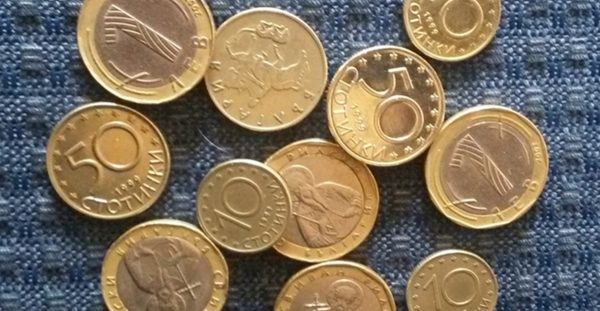
Photo: Clive Leviev-Sawyer
Dual circulation in January
During the first month from the date of the introduction of the euro in Bulgaria, the lev and the euro will be in circulation simultaneously, and both currencies will have the status of legal means of payment. After the expiration of this one month, the euro will remain the only legal tender in Bulgaria.
At the till
In the period of dual circulation – that is, January – traders must give the change to their customers in euro, except in cases where the trader has insufficient cash on hand, in which case the trader will be allowed to return the change in leva.
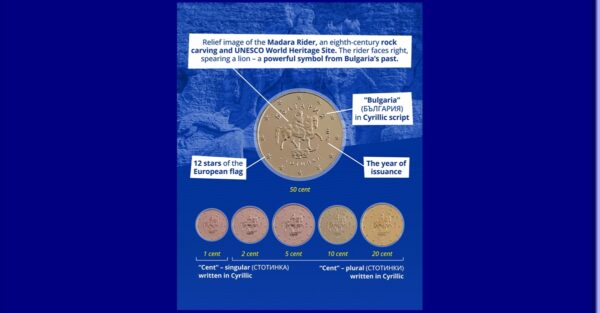
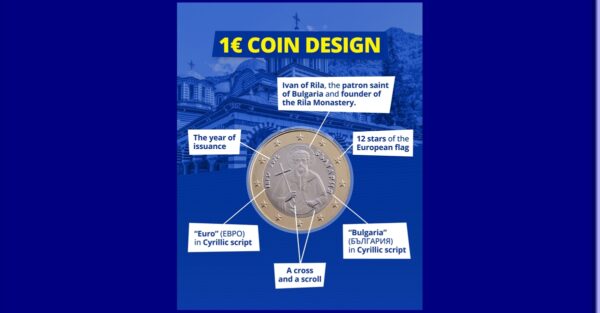
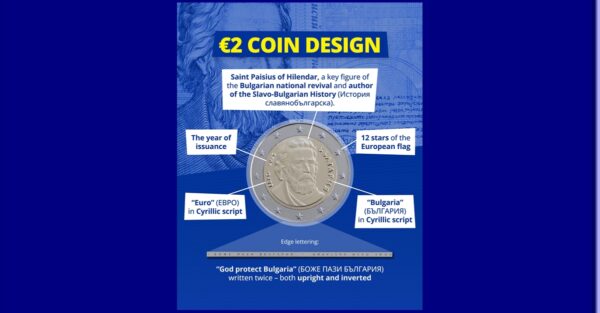
BNB on design and security features of euro banknotes
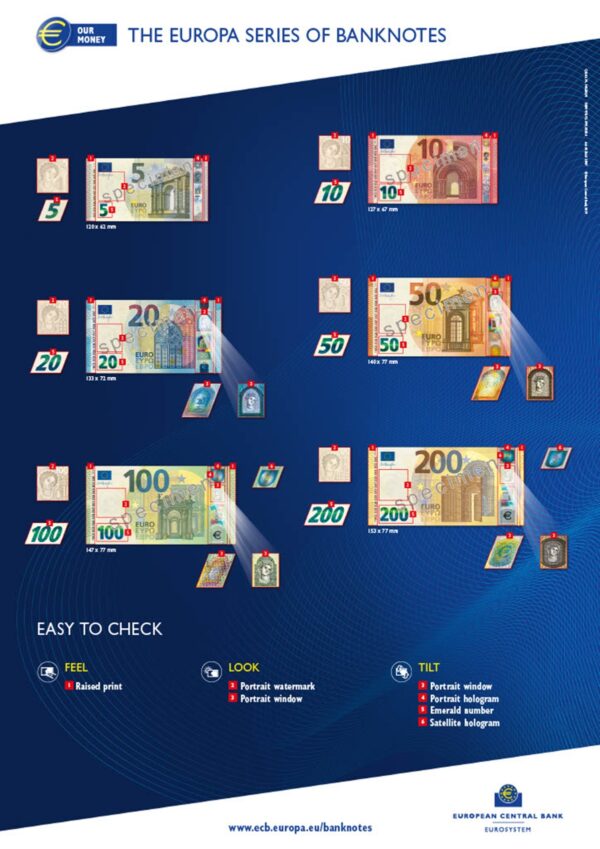
In order to inform the general public about the design and protection of euro banknotes, you can use a poster at link.
Visualisations of security features published at link may be used for staff training on the recognition of euro banknotes.
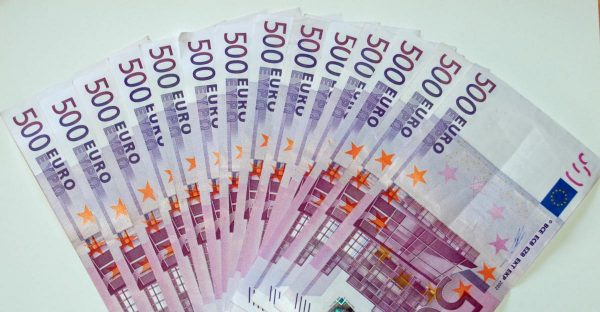
The ECB ended production of the 500 euro banknote in 2016 but says that it remains legal tender. Photo: Frank Schwichtenberg.
A detailed description and visualisation of the security features of each euro banknote denomination of the Europa series and the first series using the Feel-Look-Tilt method is available on the ECB’s website at link.
When purchasing banknote authentication devices, BNB recommends checking the list on the ECB’s website at link. The recommended list of devices verifying the authentication of euro coins is available on the website of the European Technical and Scientific Centre of the European Commission at link.

For reliable official information on Bulgaria’s transition to the euro, the Association of Banks in Bulgaria has a Q and A, in English.
The official evroto.bg website has an English-language version, while the European Commission made available on July 8 a Q and A on Bulgaria’s changeover to the euro.
For exclusive subscriber-only access to The Sofia Globe’s analysis and commentary on events in Bulgaria, please sign up to our page on Patreon: