
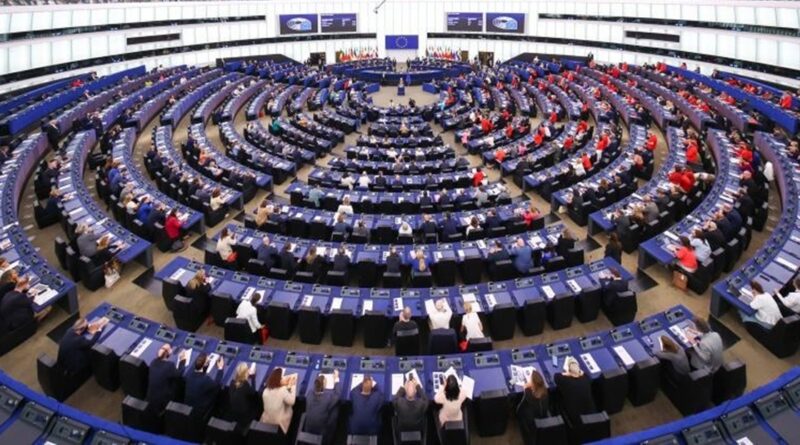
European Parliament sets conditions for lowering tariffs on US products
In votes on March 26, members of the European Parliament adopted their position on two proposals implementing the tariff aspects of the European Union – United States Turnberry trade deal.
On July 27 2025, in Turnberry, Scotland, US President Donald Trump and European Commission President Ursula von der Leyen reached a deal on tariff and trade issues, outlined in a joint statement published on August 25.
On August 28, the Commission published two legislative proposals aimed at implementing the tariff aspects of the statement. The first provides preferential access for US goods to the EU; the second extends the existing zero-tariff regime on imports of certain types of lobster.
The texts adopted by the European Parliament on March 26, if agreed with EU member states, will eliminate most tariffs on US industrial goods and provide preferential market access for a wide range of US seafood and agricultural goods, in line with the commitments made in summer 2025 between the EU and the US.
MEPs strengthened the proposed suspension clause, which would allow the tariff preferences with the US to be suspended under a number of conditions.
For instance, the Commission would be able to propose suspending all or some trade preferences if the US were to impose additional tariffs exceeding the agreed 15 per cent ceiling, or any new duties on EU goods.
The suspension clause could also be activated if the US, for example, undermined the objectives of the deal, discriminated against EU economic operators, threatened member states’ territorial integrity, foreign and defence policies, or engaged in economic coercion.
MEPs have introduced a “sunrise clause” that would mean that the new tariffs would only become effective if the US respects its commitments. These conditions include the US lowering its tariffs on EU products with a steel and aluminium content below 50 per cent, to a tariff of maximum 15 per cent.
For EU products with a steel and aluminium content of above 50 per cent, unless the US reduces its tariffs to a maximum of 15 per cent, EU tariff preferences for US exports of steel, aluminium and their derivative products would cease to apply six months after the entry into application of the regulation.
Members also agreed on an expiry date for the main regulation on March 31 2028. This could only be extended via a new legislative proposal, to be submitted following a thorough impact assessment of the effects of the regulation.
The Commission would be tasked with monitoring the impact of the new rules and would be able to suspend the new tariffs temporarily, should US imports reach a level that could cause serious harm to EU industry, for instance in the event of a 10 per cent increase in imports of a particular group of products.
The two legislative acts were adopted by 417 votes in favour and 154 against, with 71 abstentions (adjustment of customs duties and opening of tariff quotas for the import of certain goods originating in the US); and 437 votes in favour and 144 against, with 60 abstentions (non-application of customs duties on imports of certain goods).
MEPs are now ready to start negotiations with EU governments on the final shape of the legislation.
(Photo: EC Audiovisual Service)


