
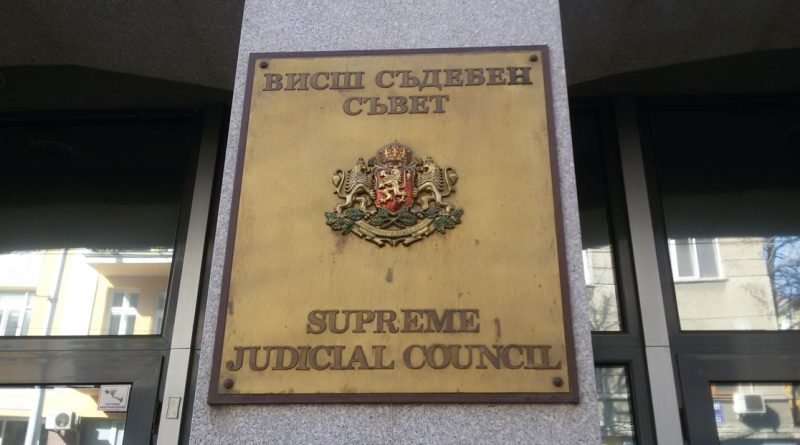
Bulgaria’s MPs set firm October date to elect new SJC line-up
Bulgaria’s National Assembly adopted on June 26 amendments to the Judiciary Act that set a firm October 17 deadline for the election of new members of the Supreme Judicial Council (SJC).
The amendments also set out the rules for voting by magistrates for their representatives on the council, namely by paper ballot, and preclude some members of the current SJC line-up from being elected to the new council line-up.
Additionally, the current SJC cannot make judiciary appointments or make long-term decisions that will impact the functioning of the judiciary branch, according to the amendments.
That is a consequence of the provision that bans any SJC line-up that is in office more than a year past the expiration of its members’ terms from doing so. The appointment of senior magistrates is one of the SJC’s main functions.
The majority of the current council will have been in office four years past the expiration of their five-year terms by the time the October 17 deadline to elect a new SJC line-up passes.
Bulgaria’s pollical instability since 2021, which saw eight parliamentary elections in five years, resulted in fragmented parliaments, some of them very short-lived, that had little appetite for tackling the issue of electing SJC members.
The council has 25 members and is presided over by the Justice Minister, who is not, however, a member of the SJC. Of the 25 members, 11 are elected by Parliament, 11 by magistrates and three are members ex officio – the country’s prosecutor-general and the heads of the two high courts, the Supreme Court of Cassation and the Supreme Administrative Court.
The 11 members elected by magistrates are voted by their respective branches – six by judges, four by prosecutors and one by investigators. This last one is part of the prosecutors college of the SJC, as the National Investigative Service is subordinated to the prosecutor’s office in Bulgaria’s judiciary.
MPs similarly elect six members of the SJC to the judges college and five to the prosecutors college. These appointments are made by a two-thirds majority of the National Assembly.
In the past, this has been grounds for criticism of the SJC, namely that Parliament’s appointees were nominated for their political loyalties, making them susceptible to political influence.
(Photo: Clive Leviev-Sawyer)
Please support independent journalism by clicking on the button below. For as little as three euro a month or the equivalent in other currencies, you can support The Sofia Globe via patreon.com and get access to exclusive subscriber-only content: