
Bulgaria’s government seeks parliamentary approval for 195M euro deal on French 3D radars
Bulgaria’s Cabinet is asking the National Assembly to approve a deal worth 195 million euro to acquire seven GM400 three-coordinate radars and related equipment from French manufacturer Thales.
The contract was signed between Bulgaria’s Defence Ministry and Thales on June 19 2025, after negotiations began in March this year.
The plan is for an initial payment of 92 million euro to begin production, according to the investment expenditure programme that the government has tabled in the National Assembly for approval.
Given the experience of recent years, when Bulgaria had a succession of short parliaments, practice now is for the military to sign contracts and then seek decisions from the National Assembly on deals worth more than 100 million leva. By law, spending of that magnitude requires the consent of Parliament.
To pay for the 92 million euro contribution, the Ministry of Defence is redirecting part of the 348 million leva that it received from Denmark, which was paid to Bulgaria as compensation for weapons that it provided to Ukraine.
Money for the initial contribution also will be taken from capital spending, and then these needs will be financed with a loan from the European SAFE mechanism, which by the rules should be used only for the purchase of new weapons.
For Bulgaria, a sum of 3.3 billion euro has been allocated under this mechanism.
After the first instalment, a payment of a further 42 million euro is planned for 2026, with payment for the French radars to be completed by 2029.
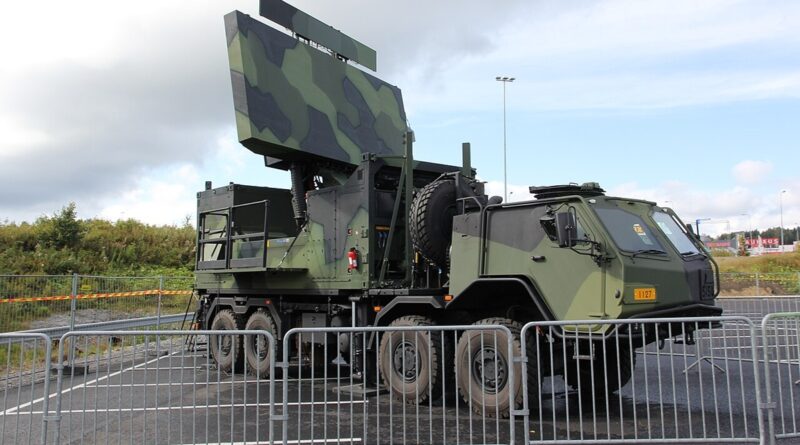
The Thales GM400 radars can detect air targets – fixed-wing aircraft, helicopters, drones and cruise missiles – at a distance of up to 515km and at an altitude of 30 000 metres. Thus they can serve the needs not only of the US-made F-16 fighter jets that Bulgaria is acquiring, but also the needs of the entire country, including Nato commitments for early detection of a possible missile attack from the east.
The new radars will be delivered over a period of three years, with the first three arriving within 24 months of the deal being finalised, and after a further 13 months they should be operationally ready to be used in the country’s defence.
The GM400 may be mounted on lorries and as part of the deal, Bulgaria’s military will receive 14 lorries and satellite terminals. Operators and technicians will be trained in France.
Currently, Bulgaria relies on old Soviet-era radars and civilian radars, which do not cover the entire country.
The proposal for the deal was tabled on November 19, five days after Defence Minister Atanas Zapryanov told Parliament’s portfolio committee on defence that the money for new weapons had run out and therefore Bulgaria was asking to postpone its next payment in the F-16s acquisition.
The contract with Thales for the radars already had been signed by Bulgarian Air Force commander General Nikolia Rusev as it was directly related to the introduction of armaments for the new F-16s.
The contract also provides for the integration of the new radars into the infrastructure of the Bulgarian military.
Thales was chosen, following an initial stage in which bids were received from various countries, because of the French company’s experience in the integration of modern Nato radars with older weapons systems, including Soviet-era complexes. Such integration already has taken place in Serbia.
(Photo: MKIF, via Wikimedia Commons)


