
US sanctions on Lukoil, Rosneft: EC sees no particular issues in security of supply
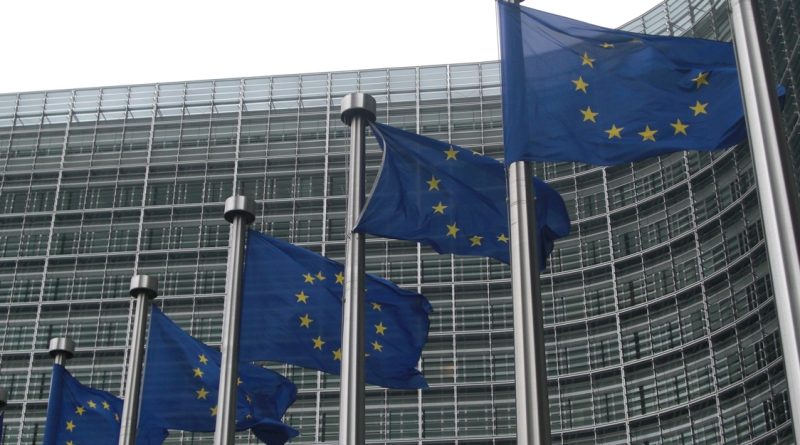
The European Commission (EC) is for the time being not seeing any particular issues, especially regarding security of supply, because of the sanctions by the United States on Russia’s Lukoil and Rosneft, an EC spokesperson told a regular briefing on October 27.
The spokesperson said that the EC was very closely monitoring the security of supply situation in EU member states, countries in the region and EU candidate countries.
“We do our course call on all our member states as well as everybody else who is concerned to start aligning with our RePower objectives, we’re supporting them in this, but for the time being we’re not seeing any particular issues especially for the security of supply situation,” the spokesperson said.
“We have our stock legislation in place for all our member states to have 90 days of oil stocks and we are in constant contact as regards last week’s decision, because obviously it might have an impact and we want to make sure that our member states are prepared, that they have a plan, there are other sources of supply”.
In Bulgaria, the ruling majority, citing the sanctions, pushed through Parliament legislation that will require any sale of the Lukoil refinery in the coastal city of Bourgas and other assets to first be cleared by the State Agency for National Security and the Cabinet.
Bulgarian Justice Minister Georgi Georgiev, speaking to Bulgarian National Television on October 26, said that the Energy Minister Zhecho Stankov had told an emergency meeting called last week in response to the US sanctions announcement that “the fuel market is secured, so that by the end of the year there is no reason for concern in connection with the upcoming entry into force of the sanctions and the possible shocks they will lead to”.
“About this, it is important for people to be calm,” Georgiev said.
He said that the state has a plan in several steps.
“The first is screening and monitoring, checking the available quantities, i.e. what the Bulgarian state and retail chains in general have at their disposal.
“Secondly – introducing a very serious monitoring mechanism for what is happening and outlining specific steps, but this is a specialized matter that colleagues from the Ministry of Energy are working on, who assured us that there is no reason for concern at this stage,” Georgiev said.
Asked whether it was possible for Bulgaria to request a postponement of the imposition of the sanctions, Georgiev said : “Europe is in this situation together, i.e. no country is alone. And the solutions we are looking for are coordinated with European partners”.
“We are specifying common strategies so that they achieve the goals that have been set, without directly affecting EU citizens in a way that would hinder the activities of the economy. Along with them, we are holding intensive talks with our American partners,” Georgiev said.
“I personally am leading the talks with the service in the American government that imposes these sanctions, so that we can coordinate our actions and behaviour as a partner country,” he said.
On October 27, Bulgarian National Radio reported former finance minister Assen Vassilev, who leads the opposition We Continue the Change party, as saying that a temporary increase in fuel prices in Bulgaria is possible in the coming months.
Vassilev said that the sanctions against Rosneft and Lukoil have already led to an increase in oil prices on world markets, which may also affect fuels in Bulgaria.
He said that with major market shifts, there is usually a month or two of increase until the situation stabilises.
He expressed concern that the state must guarantee supplies, especially if a solution is not found in the Lukoil case by November 21: “Unless there is a sale to non-Russian owners – both the refinery and the gas stations, and especially the storage facility.
“Because you know that the largest storage facility belongs to Lukoil. This could seriously jeopardise the fuel supply and the government must have a plan,” Vassilev said.
(Photo: Sebastien Bertrand)


