
Bulgaria’s Parliament approves amendments to the Foreigners Act
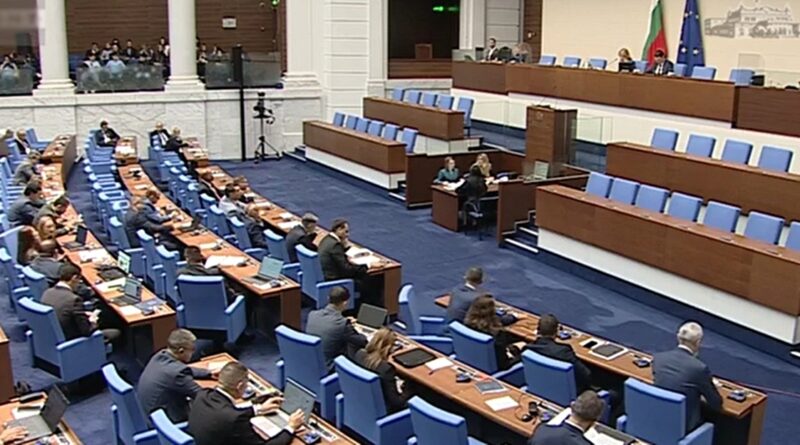
Bulgaria’s Parliament voted on November 18 to approve the second and final reading of amendments to the Foreigners Act, tabled by the Cabinet after it adopted them in July.
The amendments bring Bulgarian law in line with European Commission directives.
Employers will be required to pay compensation to foreign nationals if they lose access to the labour market through no fault of their own but due to their employer’s actions.
When foreign citizens who have the right of long-term residence in Bulgaria lose their employment due to the fault of the employer, not only must they receive compension, they will be able to register with the employment bureau and during this period their right of residence will not be revoked.
The amendments introduce an obligation to conclude a written contract setting out the rental conditions for accommodation provided by the employer to seasonal workers.
Foreigners employed as seasonal worker will pay health insurance for the duration of their stay in Bulgaria in order to have access to healthcare.
Through changes to the transitional and final provisions of the law, the deadline for issuing personal documents for Bulgarian and foreign citizens was reduced.
The deadline for issuing personal documents, including identity cards, passports and driver’s licences, is reduced from 30 to 20 days.
The fast order remains three days, and the express order will now be eight hours from the time of request.
The amendments were drafted because of the need to transpose into Bulgarian law a 2024 EU directive on a uniform application procedure for third-country (meaning, non-EU) nationals for a single permit to reside and work in the territory of an EU member state and on a common set of rights for third-country workers legally residing in a member state, the Bulgarian government information service said in July after the Cabinet adopted the amendments.
The objective of the proposed amendments and supplements is to achieve compliance between the national legal framework and the EU legal framework with regard to the Pact on Migration and Asylum, and in particular to determine the authorities for the screening procedure and to determine the tasks to be performed by other relevant state structures, the government information service said.