
Bulgaria’s consumer protection body: 1600 complaints in a week, mainly about breaches of euro law
The Consumer Protection Commission (CPC) received about 1600 complaints and appeals last week, mainly about alleged abuses in connection with the changeover to the euro, commission head Alexander Kolyachev told Nova Televizia on January 14.
Consumers are reporting a wide range of unfair practices in shops, Kolyachev said.
The most common problems include incorrect conversion of prices from leva to euro and setting unreasonable conditions by merchants, such as requiring payment only by card or requiring customers, when paying cash, to pay the precise amount.
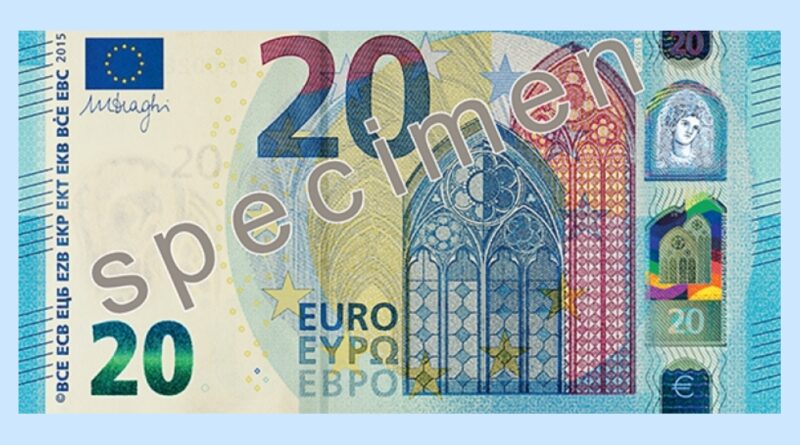
The commission has warned consumers not to accept banknotes that have political messages or symbols on them, as Bulgarian National Bank (BNB) is refusing to exchange them.
“This means that if a merchant accepts such a banknote, he himself loses out ,” Kolyachev said.
The CPC makes a strict distinction between legitimate price increases and speculative practices.
Kolyachev said that if a small hair salon raises its prices due to increased labour costs and taxes since January, this can be considered justified if the relevant documents are provided.
The situation with large chains, however, is different. “If you have 1000 food products and you say: ‘Wages are rising’, this does not necessarily affect the price of the product. It depends more on the delivery price than on the staff’s remuneration,” he said.
Kolyachev urged the public to file reports, giving an assurance that their anonymity is preserved to the maximum extent possible when carrying out on-site inspections.
Vladimir Ivanov, head of the government’s coordination centre on euro adoption, told bTV on January 14 that there were traders who had firmly said that they would continue to work with the lev after February 1 (when the dual currency transition period would be over) and he said that there was no way that this could happen.
“At the very least, it would be an illegal act. And the lev will not be legal tender. And such calls border on calling for committing crimes. But it is very interesting that many people who make these calls are quite well-supplied with euro,” Ivanov said.
Bogomil Nikolov, executive director of the Active Consumers civic organisation, told Sega on January 13 that some banks had deliberately created obstacles with the exchange of leva for euro in the first days of the introduction of the country’s new currency.
“We were mostly expecting signals related to some drastic price increases. However, it turned out that the first obstacle that people encountered was the difficult exchange of physical money for cash,” Nikolov said.
He presented a survey conducted a week ago of by Active Consumers in 10 leading commercial banks, according to which only four of them exchanged currency easily and quickly in compliance with the law.
The remaining banks required unnecessary personal information and declarations of origin when exchanging small amounts from 100, 200 to 1000 leva, which slowed down the process, created huge queues of people waiting and forced many of them to give up and look for alternative options to exchange their money.
“Only four banks performed well, there were not even any queues, the exchange was easy – just with an ID card, they write two names on the receipt and that’s it,” Nikolov said.
“The rest made a very bad impression on me. You go to change 100 leva and a questionnaire starts: are you a student, what is the origin of the funds, things like that…
“And below it says, I am informed that I am responsible under Article 313 for false information. Excuse me, people, what is wrong with you? I want to change 100 leva, you are making me sign some things here! This scares people and drives them away,” he said.
He offered an explanation why some banks deliberately had created difficulties in the currency exchange – based on the law barring them from charging fees for the transaction: “If you are not a client of the bank, it has no particular interest in serving you, because it is an unprofitable operation. That’s how we explain things”.
However, he is pleased that even on the tenth day of the introduction of the euro, the Association of Banks in Bulgaria had come out with a clear position that declarations with personal data and the origin of the money are only required for amounts over 5000 euro.
“We hope that this will be respected by every bank in the future,” Nikolov said.


