Bulgarian MPs overturn veto on Electoral Code amendments
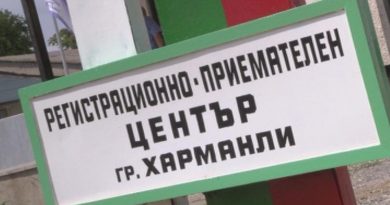
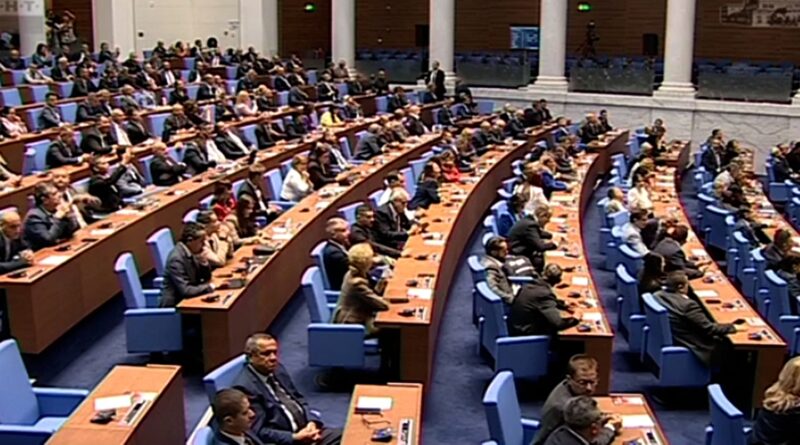
Bulgaria’s National Assembly voted on February 25 to overturn President Iliyana Yotova’s veto on amendments to the country’s Electoral Code that would drastically reduce the number of polling stations abroad in non-EU countries.
There were 126 votes in favour of overriding the veto, 86 opposed, and 11 abstentions.
The bulk of the votes for overriding the veto came from the parties that supported the government of former prime minister Zhelyazkov, now out of office, as well as pro-Russian party Vuzrazhdane.
But the key votes came from eight Bulgarian Socialist Party (BSP) MPs, who voted in favour of the motion despite an earlier decision of the BSP executive bureau to support the veto.
In the aftermath of the vote, newly-elected BSP leader Kroum Zarkov said that the eight would not be among the party’s candidates in the next early parliamentary elections, scheduled for April 19.
Yotova’s veto motives argued that the amendments would infringe on the right to vote of Bulgarian nationals residing outside the EU, as well as the constitutional principle of equality of Bulgarian citizens.
Additionally, the bill risked further undermining public trust in the electoral process and ran counter to the stated desire “by representatives of state institutions, politicians, NGOs and citizens” to encourage voter turnout, Yotova said.
Bulgaria’s constitution grants the head of state a limited power of veto, through enabling the President to return legislation to the National Assembly for further discussion.
The National Assembly may overturn the President’s veto through a simple majority vote or accept the veto and review the vetoed clauses.
This was Yotova’s first veto. Her predecessor, Roumen Radev, made liberal use of the power, vetoing 46 bills during his nine years in office before stepping down last month.
His resignation came as Bulgaria heads towards early parliamentary elections in the spring, the eighth time since April 2021 that Bulgarians elect a legislature, with Radev expected to participate with a political project.
(Photo: parliament.bg)
Please support independent journalism by clicking on the button below. For as little as three euro a month or the equivalent in other currencies, you can support The Sofia Globe via patreon.com and get access to exclusive subscriber-only content: