
Sofia city council approves record borrowing of 367M euro to modernise public transport and infrastructure
Sofia municipality will invest 367 million euro in the modernisation of transport and urban infrastructure, following a proposal by mayor Vassil Terziev, approved by 46 votes by the Sofia city council, the municipality said on September 10.
The financing will be provided through two loans – up to 183.5 million euro from the European Investment Bank and up to 183.5 million euro from one or a syndicate of financial or credit institutions.
The loans will be long-term and unsecured, and will be repaid through the future revenues of the Sofia municipality.
Deputy mayor for finance Georgi Klisurski said: “Even after taking out this record loan for the Sofia municipality, we will maintain levels of below 10 per cent for servicing all obligations, in accordance with the requirements of the Public Finance Act, which provide for up to 15 per cent.”.
Sofia’s financial and fiscal position remains sustainable and stable, he said.
More than 176 million euro of the loan financing is earmarked for the acquisition of new rolling stock, with the funds being combined with 265 million euro of co-financing under the Regional Development Programme for the overall modernisation of urban transport.
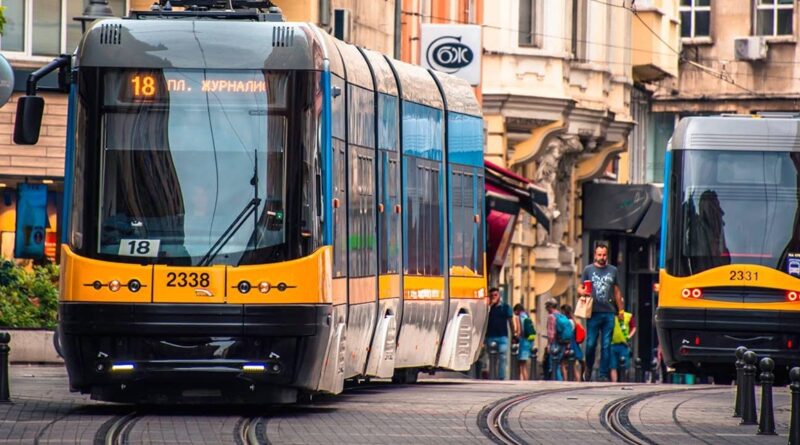
It is planned to purchase up to 200 new buses – up to 130 articulated and up to 70 single-decker, 75 battery-powered trolleybuses, up to 20 low-floor and air-conditioned trams and 50 fast-charging electric buses, including the necessary charging stations.
The new rolling stock will allow the gradual decommissioning of the most depreciated vehicles – the outdated high-floor trams and buses manufactured before 2014.
All new vehicles will be low-floor, air-conditioned and compliant with current environmental requirements, which will improve both travel conditions and the accessibility of public transport, the municipality said.
Of particular importance are the 75 new battery-powered trolleybuses that will be able to move autonomously outside the sections with a contact network. This provides greater flexibility in the organization of lines and creates opportunities for better transport service in areas where the construction of a contact network is not possible or economically justified, the statement said.


