
Bulgaria’s autumn 2025 warmest in past 15 years, rainiest since 2015
Bulgaria’s autumn 2025 was the warmest in the past 15 years and the rainiest since 2015, the national meteorological bureau said in a regular report.
The report refers to meteorological autumn, the three-month period from September 1 to November 30, while astronomical autumn began with the autumnal equinox on September 22 2025 and continues until the winter solstice on December 21 2025.
The report said that average daily temperatures were above normal for most of September and November, and in October temperatures were around and below normal.
The highest measured maximum temperature was 37.2 degrees Celsius in Radnevo on September 3.
The lowest minimum temperature at a weather station in a settlement was minus 5 degrees on October 10 in Dragoman, and the lowest temperature measured on a mountain peak was minus 12 degrees on Musala Peak on November 25.
September and November 2025 were among the warmest respective months in the past 15 years, and October 2025 was the coldest in the past four years.
The amount of rain in autumn 2025 in most of the country was above the climatic norm.
The largest measured amount of precipation in a 24-hour period was 250mm of rain in the village of Kosti, Bourgas district, on October 3.
September 2025 was the driest September since 2022, and October 2025 was the rainiest October since 1930. The rain in November was around and above the norm.
In early October, agrometeorological conditions were shaped by weather that was unstable and cool for the season.
During the first days of the month, minimum temperatures of plus 2 to minus 2 degrees and frosty conditions were recorded in the high fields and in the extreme western regions. Part of the unharvested vegetable crop, such as tomatoes and peppers, was wasted. Untimely falls of wet snow in early October caused damage to perennial crops.
During the month, rain in the districts of Sofia, Pleven, Lovech, Veliko Turnovo, Razgrad, Rousse, Pazardzhik, Stara Zagora and Bourgas exceeded the climatic norm by two to three times and resulted in a high moisture content in the upper soil layers. The conditions on most days are unsuitable for pre-sowing cultivation and sowing of winter cereals.
In most of the country, with the exception of places in the Danube Plain and in the eastern regions, the agrotechnical deadlines for sowing wheat in October were missed.
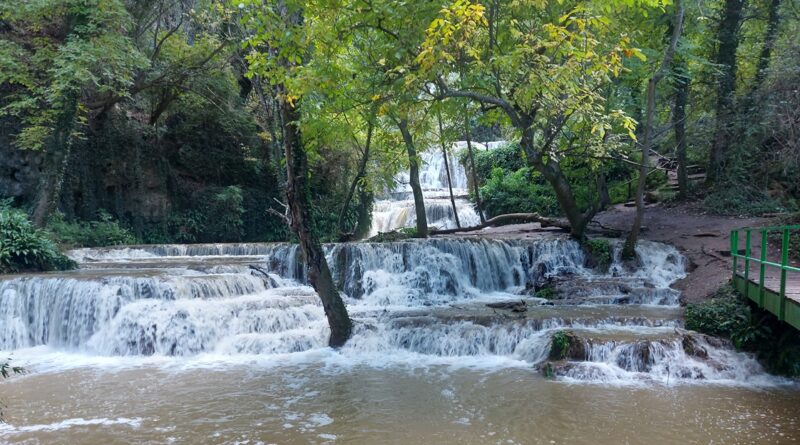
(Photo of the Krushuna waterfalls in the Lovech district: Clive Leviev-Sawyer)